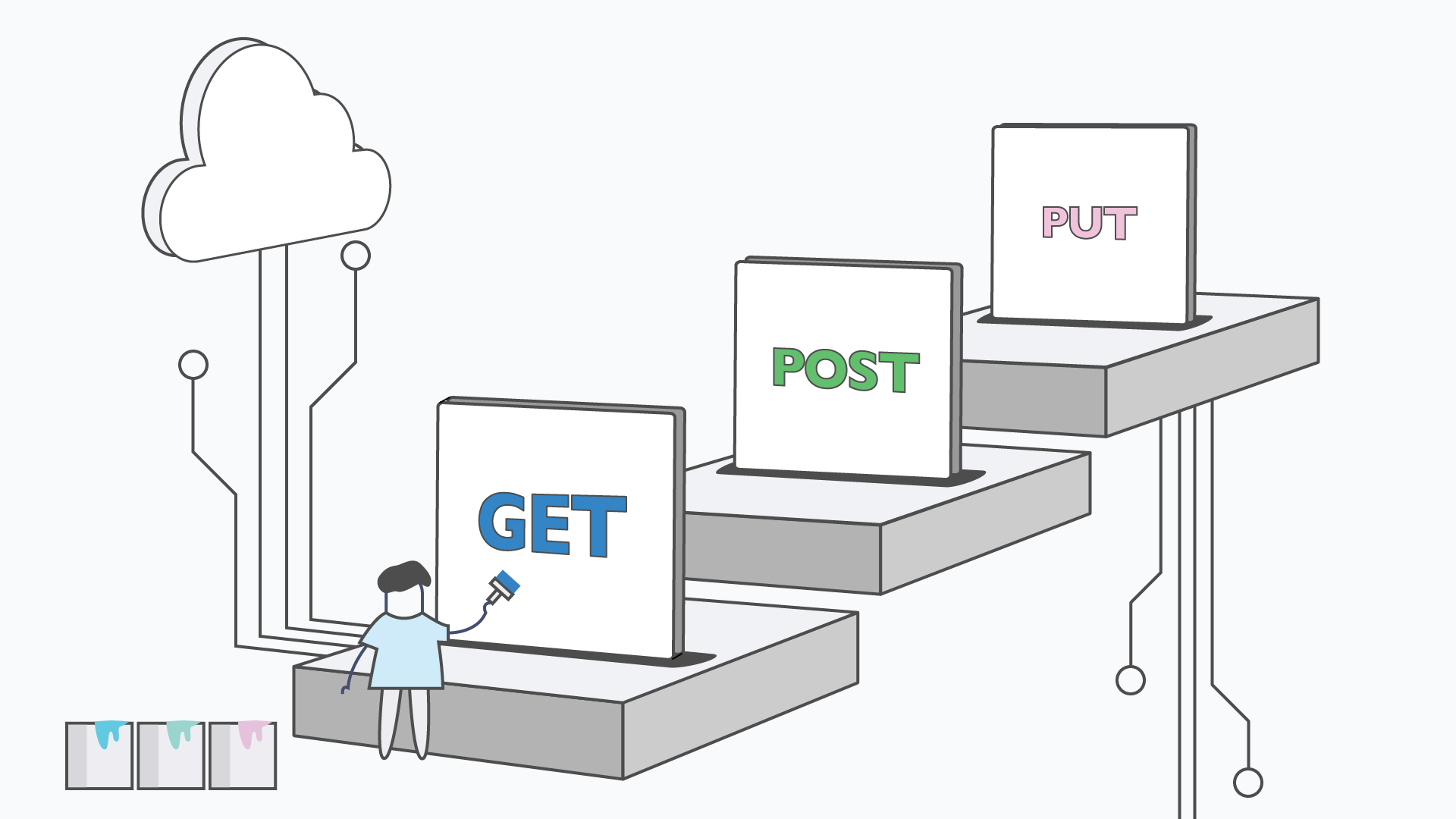
Executive summary
I designed ThousandEyes’ first dedicated API testing experience: a way for enterprise teams to continuously test API availability and performance from distributed network locations—beyond one-off validation in tools like Postman.
The strategic contribution was a phased product foundation. We made single-step testing useful at launch while deliberately establishing a configuration and results model that could grow into multi-step workflows without a disruptive redesign.
The challenge
API monitoring lives at the intersection of developer flexibility and enterprise operational confidence. Users needed to express complex requests—methods, credentials, headers, bodies, and assertions—without turning test setup into a wall of technical fields or hiding the details required to diagnose a failure.
The harder product question was temporal: how could the experience serve a simple request today while making a sequence of dependent API calls feel like a natural extension tomorrow?
Role & strategy
My role
As the sole designer, I owned the end-to-end experience and aligned the customer workflow with the platform’s execution model.
- Defined the configuration information architecture and progressive disclosure model
- Designed the single-step launch and the scalable multi-step configuration pattern
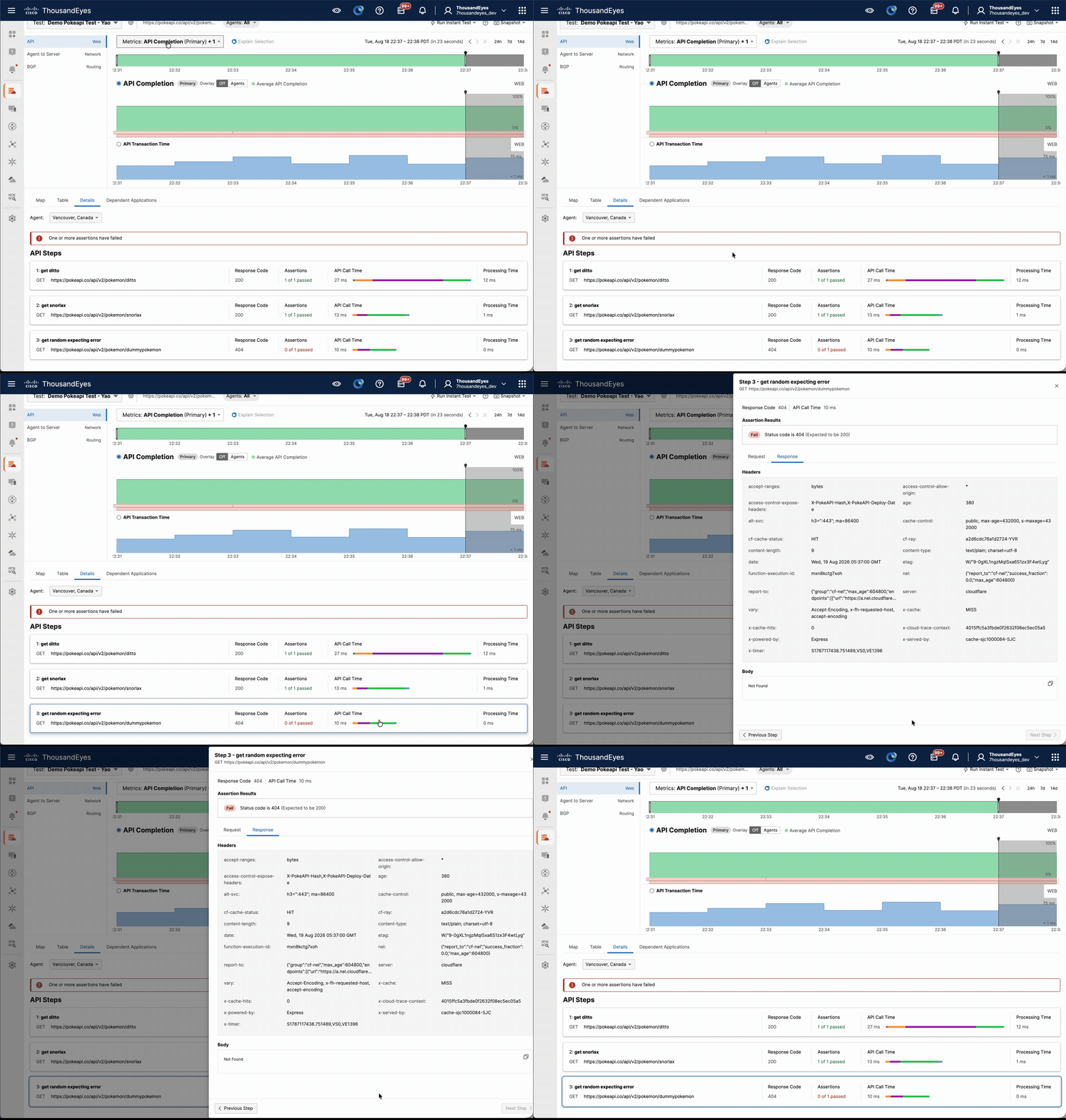
- Created the results experience for performance, availability, and failure investigation
- Validated concepts with customers and partnered with engineering on feasible execution
The strategic bet
Rather than treating this as a form-design problem, I framed it as a confidence-building workflow: define intent, make the request inspectable, then make its behavior explainable. That framing connected configuration and diagnosis into one coherent product surface.
Define
Method, endpoint, authentication, and assertions.
Run
Continuously test from distributed locations.
Inspect
See availability, timing, and response signals.
Investigate
Use the failure context to choose the next action.
Selected decisions
Structure before fields
Grouped inputs around the way practitioners think about a request, then revealed advanced controls only when needed.
Scalable by design
Established a repeatable step pattern instead of creating a single-purpose form that would block multi-step testing.
Results with an investigative job
Designed outputs to answer both “is it healthy?” and “where should I look next?”
A phased capability path
I intentionally treated the first release as a foundation, not the finished experience: establish a dependable single-step test first, then extend the model as customer needs and platform capability matured.
Basic username-and-password authentication.
Quick syntax support for credential setup.
Additional methods, including OAuth 2.0.
Post-request options and step-associated variables to chain API calls.
Designing within a validation constraint
I explored immediate, one-off execution so people could validate each API step before deployment. The platform could not support that live model at the time, so the experience relies on an instant test to run a pilot; results may take about a minute. Making that constraint clear helped us focus on an experience that was useful and technically feasible.
The solution
The resulting experience pairs a composable multi-step configuration model with API-specific results views. Teams can define requests precisely, monitor behavior continuously, and investigate failures in context.
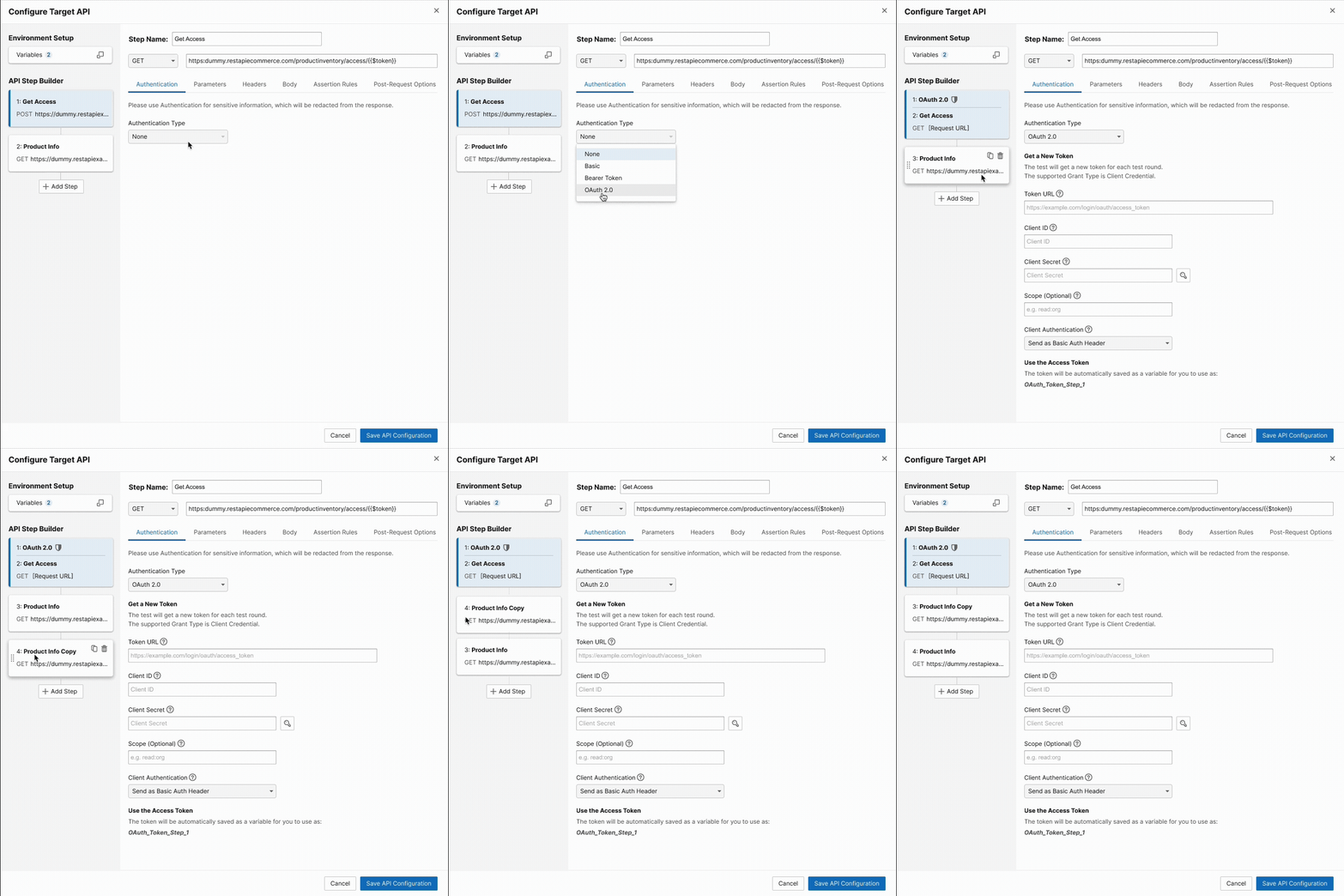
Configuration designed to grow from a single request to a multi-step workflow.
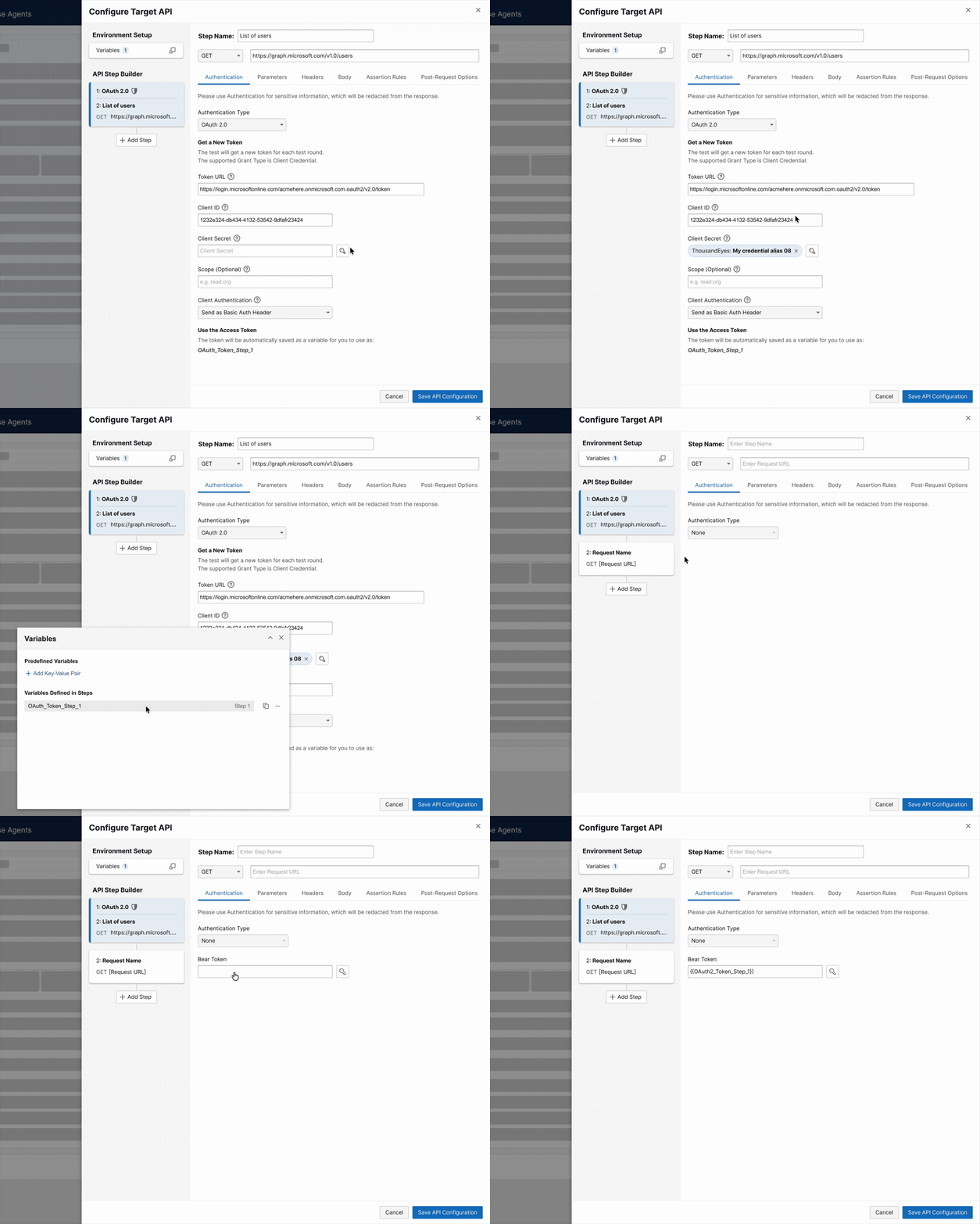
Credentials and step-associated variables make secure multi-step workflows reusable and easier to configure.
Outcomes & reflection
The work gave ThousandEyes a dedicated API testing foundation and created a clear path from initial launch scope to richer workflow coverage.
Since launch in February 2024
Leadership reflection: I learned to make the future architecture visible in the present experience. A phased release is not a smaller version of the final product; it needs an intentional model that preserves customer trust as capability expands.